Tips and Techniques
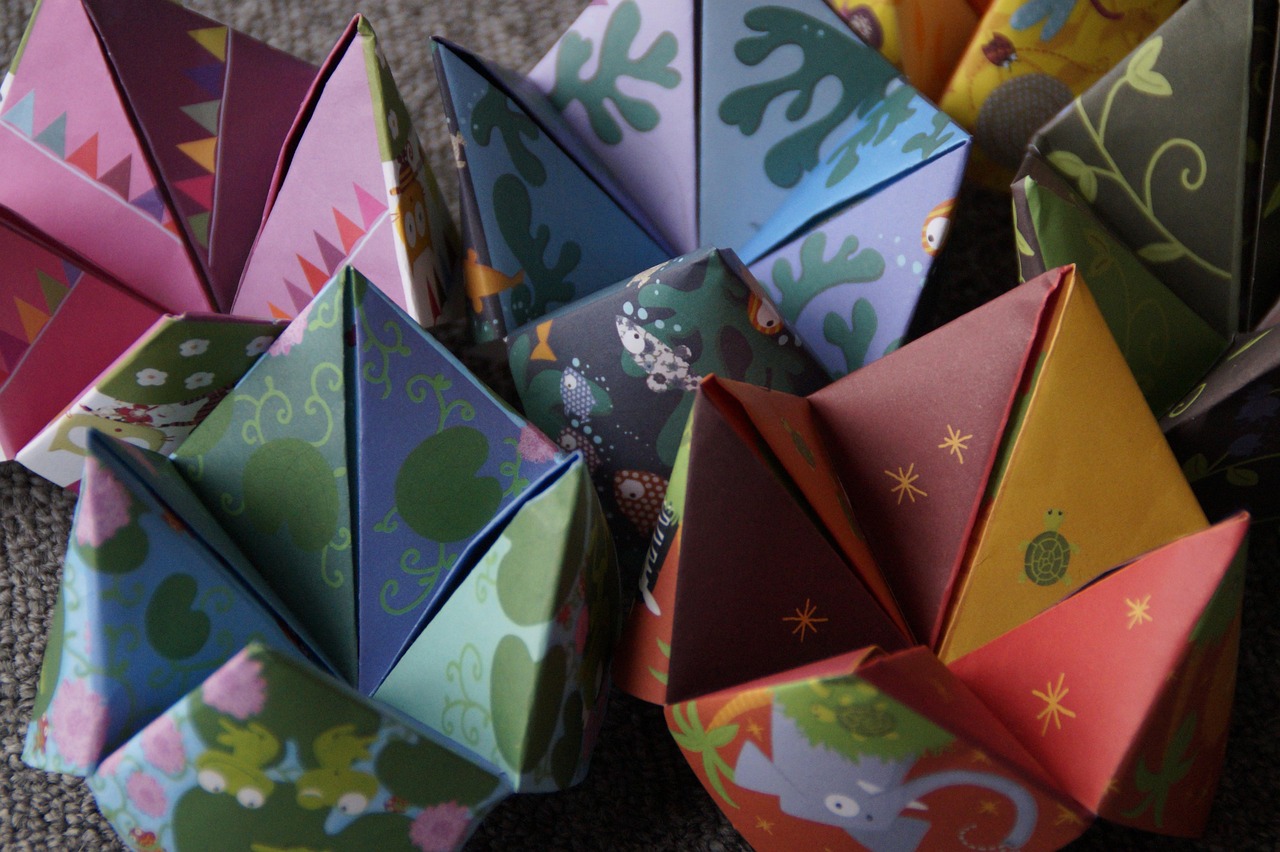
Folding paper with kids is less about perfect points and more about the pleasure of watching a flat sheet turn into something recognizable. If you have ever handed a child a square of paper and watched their face light up when a few creases became a boat or a hat, you already understand why origami works so well for young beginners. The models below are chosen because they forgive crooked folds, need no special paper, and finish quickly enough to hold a short attention span.
Before you start, set up a comfortable space. A clear table, a stack of squares cut from copy paper, and a flat surface for pressing creases will do. Sharp creases matter more than fancy paper, so show kids how to run a fingernail along each fold. Keep the mood light. If a fold goes sideways, unfold it and try again, or simply turn the mistake into a new creature. That flexibility is part of the fun.
The paper boat is a classic for a reason. Start with a rectangle, fold it in half, then fold the top corners down to the center line. Lift the bottom flaps up on both sides and tuck the corners behind each other to form a triangle pocket. Open the pocket and flatten it the other way, then pull the top corners apart. It takes a few tries, but once a child gets it, they will make a whole fleet.
The paper hat, sometimes called a sailor's hat, uses the same starting folds as the boat. Fold a rectangle in half, bring the top corners to the middle, and turn up the bottom edges. Instead of opening it into a boat, leave it as a hat and let them decorate it with stickers. The fortune teller is another favorite. Fold a square on both diagonals, then fold each corner to the center and flip it over to repeat. Slip your fingers into the pockets and it becomes a little puppet that opens and closes. Write silly fortunes or dares on the inner flaps.
Work side by side rather than across the table, so kids can copy your hand movements. Slow down and narrate each step out loud. Say things like, "Now we bring this corner to meet the opposite corner," and point as you go. Praise the effort, not just the result. A wobbly frog that actually hops is a triumph.
Keep sessions short, maybe fifteen minutes, and stop while everyone is still having fun. Store finished models in a shoebox so they can be admired later. If a child gets frustrated, switch to free folding and let them invent their own shapes. The goal is not a gallery of perfect cranes, it is the habit of sitting down, paying attention, and making something with your hands. That habit, once planted, tends to grow.
