Techniques
Walk into any craft store and you will find shelves of paper promising perfect folds. The truth is that beginners do not need much. Some of the best practice paper is already in your printer tray or recycling bin. Understanding how different papers behave will help you choose the right sheet for each project, and it will save you money while you learn.
The main things to consider are weight, size, and surface. Weight affects how the paper holds a crease and how bulky a model becomes. Size determines what you can fold, since most traditional models start from a square. Surface matters for how the paper takes ink, glue, and repeated handling. Once you know these basics, picking paper becomes a quick decision rather than a guessing game.
Copy paper is the workhorse of beginner origami. It is cheap, easy to find, and comes in standard sizes you can trim into squares. It creases well and holds up to unfolding and refolding, which makes it ideal for practice. Its main drawback is that it is a little thick for complex models and the white surface can look plain. For simple folds and kids' projects, it is hard to beat.
Kraft paper, the brown paper used for wrapping and shipping, is another excellent choice. It is slightly thicker than copy paper and has a warm, natural look. It takes folds well and is sturdy enough for boxes and envelopes. You can buy it in rolls or large sheets and cut it down to size. Because it is not perfectly smooth, it hides small mistakes and gives finished models a rustic feel.
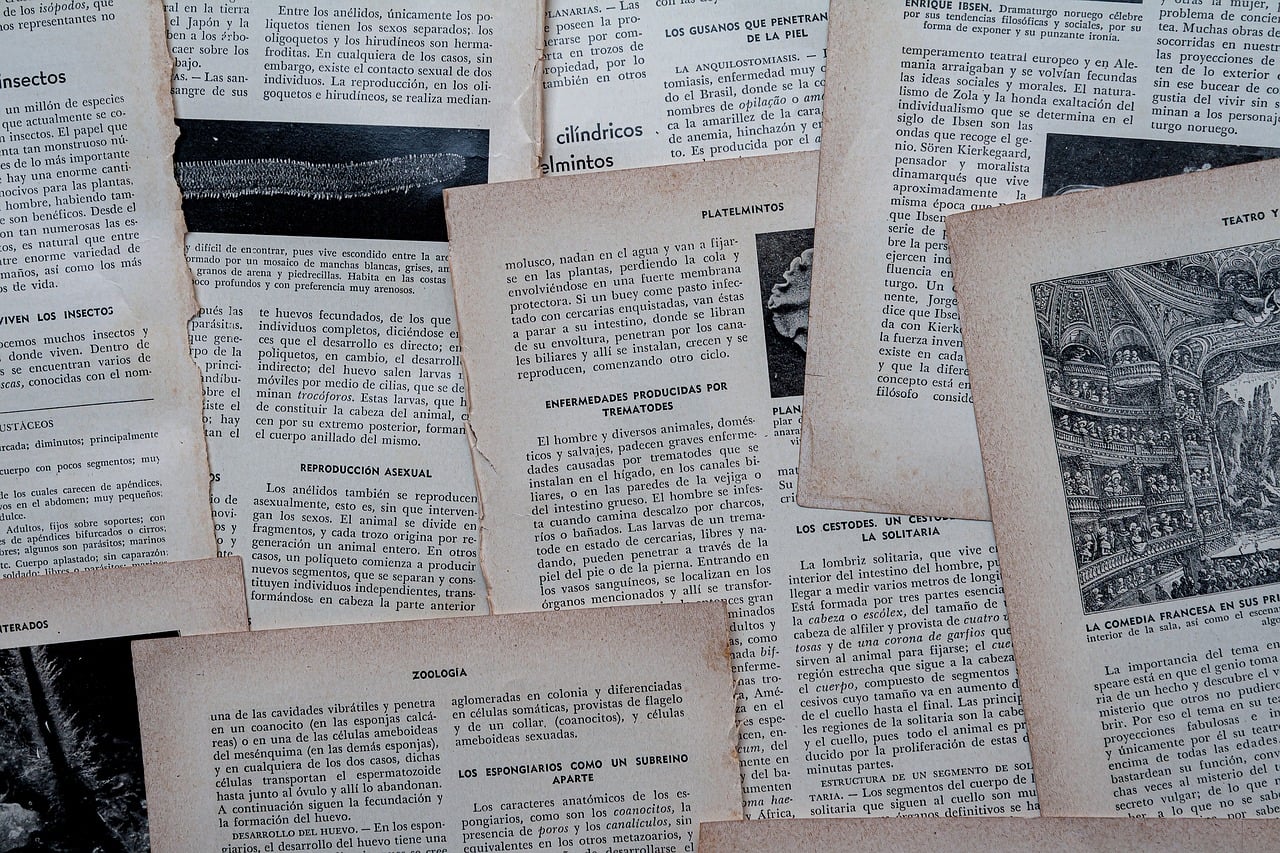
Newspaper and magazine pages are free and plentiful. They are thin and fold easily, but the printed surface can smudge and the paper tears more readily than copy paper. They work well for practice and for models where the text or images become part of the design. Try folding a newspaper hat or a magazine-page box to see how the print looks once folded.
Specialty origami paper earns its place once you start folding models that need thin, strong sheets. Traditional Japanese washi and kami papers are made for folding, with a smooth surface and a weight that holds a crease without cracking. They come in squares, often with a different color on each side, which is useful for models that show both sides of the paper.
Foil paper is another option. It is thin, shiny, and holds a crease almost permanently, which makes it great for small, detailed models. It can be slippery to fold and shows every fingerprint, so it is not the best choice for a first attempt. Tissue foil, a sheet of foil bonded to tissue paper, combines strength with a matte finish and is a favorite for complex work.
For beginners, the best approach is to practice on copy paper and kraft, then buy a small pack of origami paper when you are ready to make something to keep. A pack of assorted colors will last a long time if you save it for finished pieces. Start simple, fold often, and let the paper teach you what it can do.
